
Insights & Knowledge Hub
Explore our latest thoughts, industry insights, and expert perspectives...
Insights & Knowledge Hub
Explore our latest thoughts, industry insights, and expert perspectives...

CrossSonic designs, builds, and scales secure custom software, AI, cloud, and data platforms for enterprises in aviation, healthcare, fintech, and retail.
CROSSSONIC
Where Innovation Meets Enterprise

We empower businesses to reach their next milestone and competitive advantage. We share your vision and goals. Our approach is to go the extra mile, revealing opportunities and solutions that others may overlook.
The world's leading brands are powered by CrossSonic






Our Latest Blogs
March 2, 2026
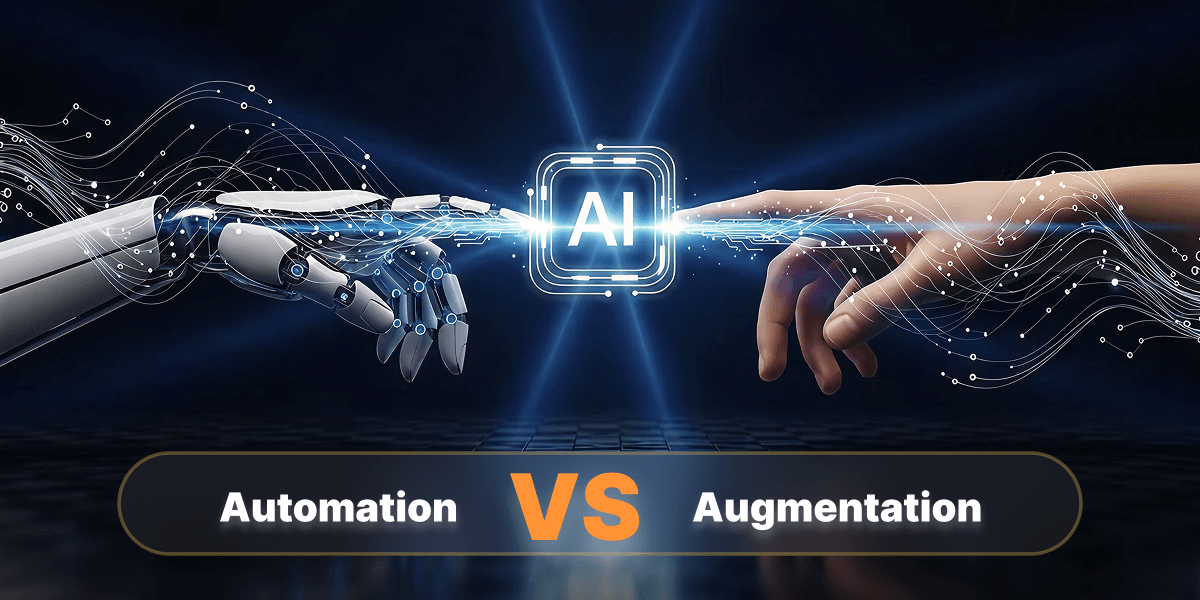
Automation vs Augmentation: The Future of AI in Aviation
The aviation industry has always been the pioneer of ingenuity throughout history, endeavoring to upgrade the standards of efficiency, safety, and comfort of passengers during flight. In recent years, this industry has experienced a significant transformation with the integration of artificial intelligence and automation. These cutting-edge technologies are helping airlines in reducing the risk of human error and making airline operations more streamlined than ever before. Moreover, AI-assisted aviation operations are helping airlines in processing large volumes of data to improve decision-making, plan routes, and increase safety standards. Al in aviation is transforming the way sustainability initiatives, fuel consumption, and maintenance were carried out. The combination of AI with other technologies provide improved crew safety and service standards for the passengers. From AI decision support systems to virtual air traffic controls, the potential of automation is far more than it has been explored yet, particularly in the aviation industry. This article will walk you through the significance of automation in the airline industry, impact on modern aviation, challenges, and future implications of this technology. Automation Vs Augmentation: Understanding the Significance of AI in Aviation IndustryAI in aviation is inevitable to enhance operational efficiency, curtailing expenses, ensuring safety, and elevating passenger experience. To stay ahead in the competitive pool of airlines industry, integration of automation is pivotal. Various AI-assisted aviation operations include autonomous drone inspections, fuel consumption optimisations, robotic baggage handling, and predictive airport maintenance. The significance of intelligent automation in aviation is far beyond the customer experience and financial gains and has been extended towards safety measures augmentation. Automation systems can analyse weather patterns more precisely than humans, thus reducing flight risks. So, automation and AI are remarkably transforming the airline industry by reporting clear skies while simultaneously enhancing profitability and productivity. Case Study: Heathrow AirportHeathrow Airport London integrated facial recognition technology with biometric boarding gates to allow passengers to pass through boarding and security without showing documents. Resultantly, boarding times were reduced by 40% along with enhanced security, improved passenger flow, and regulated privacy standards for passengers. At Heathrow Airport, AI integration demonstrated streamlined airline operations while improving passenger experience and operational efficiency. Exploring the Impacts of AI on Modern Aviation Cognitive AI systems are addressing several aviation challenges seamlessly and offer potential solutions for improved operations efficiency through predictive analysis and route optimisation of aircrafts. Such techniques reduce operational cost and enhance financial gains flawlessly. AI in aviation is providing personalised customer experience, such as automated check-ins through AI-assisted biometrics and kiosks, tailored travel recommendations, and chatbots for answering passenger queries. AI safety enhancement through predictive analytics manages air traffic and provides responses in emergency situations. Operational Efficiency ImprovementAI technology analyzes vast amounts of data to suggest efficient travel paths, predict weather patterns, and optimize fuel consumption to reduce operational cost and enhance profitability. AI Aircraft Maintenance: AI systems identify anomalies and recommend corrective actions that humans might overlook, ensuring long life span of aircrafts.AI Aviation Analytics: AI technology compares real-time information with historical data from sensors to predict malfunctioning and enhance aircraft safety.Efficient Operations: AI technology reduces overheads and increases operational efficiency by streamlining the aircraft maintenance. Latest Research and StatisticsOliver Wyman reported that predictive analytics can prevent unprecedented maintenance events by approximately 30%, saving the annual cost of $3 billion in the aviation industry. Personalised Passenger ExperienceAI virtual assistants and chatbots respond to custom queries efficiently, enhancing customer satisfaction and overall experience of the passengers. Moreover, AI technology provides tailored travel recommendations after analyzing customer behaviour and previous travel preferences. Moreover, automated check-ins through AI-assisted biometrics and kiosks make a passenger's journey even more smoother. AI Safety Enhancement Autonomous systems can assist pilots in emergency situations, control air traffic in highly congested areas, and perform automated landings and take-offs. The integration of AI in air traffic management minimizes collision risks by providing efficient scheduling and routing for aircrafts. Latest Research and StatisticsThe report of the European Union Aviation Safety Agency (EASA) demonstrated that AI decision support systems can enhance flight safety by automating complex tasks and providing support to pilots. Automated Flight OperationsAI advancements are paving the way for automated pilot systems and fully autonomous aircrafts, optimising aircraft performance and enhancing flight safety. AI enables proactive responses by predicting potential flight disruptions. Advanced autopilot systems can adapt to changing conditions by integrating machine learning in their systems. Aircraft maintenance and performance can be optimised through enhanced data analysis. Warehouse and Cargo Automation Enhanced cargo operations, such as integration of drones within the warehouse environments have significantly transformed the aviation industry. The use of drones eliminates human error and provides improved safety measures and increased productivity. Such innovative and advanced technology in airlines is reducing operations cost while creating efficient systems to increase output. Limitations and Challenges of AI in Aviation The implementation of AI in aviation comes with some challenges that must be addressed for optimum airlines performance. The collection and storage of data can be difficult when catering a large number of aircraft fleets at different locations. Following are the challenges that should be addressed before implementation of AI in aviation: Data Security Concerns: Sensitive data, such as passenger information, maintenance records, and flight plans should remain private when implementing AI technology.Adaptability: The integration of AI technology requires considerable training, cultural shifts, and organisational change which aviation stakeholders might feel reluctant to adopt. Rigorous Testing: The implementation of AI in aviation requires guaranteed passenger safety, including real-world trials, simulations. And validation in compliance with regulatory standards. Data Quality: To achieve accurate results, AI systems demand high quality data for processing. The inaccurate or incorrect data can risk the safety of passengers and deliver suboptimal results. Future Trends of AI in Aviation Looking forward, we can anticipate the future of AI in aviation that will unfold in the coming decade. Airlines are striving to develop the AI algorithms capable of handling complex flight scenarios, decrease reliance on airport crew and make systems autonomous. The implementation of AI with Internet of Things (IoT) will provide more interconnected and intelligent automation in aviation. Real-time data analytics, connected aircrafts, and smart airports will increase operational efficiency while optimising passenger experience. However, with the prevalence of AI in aviation, regulatory and ethical considerations will be inevitable, including creating clear guidelines for implementing AI, data privacy, and biases in AI algorithms. Final ThoughtsFrom optimising flight plans to enhancing operational efficiency, AI-assisted systems will transform the future of the aviation industry. However, the successful integration of AI systems demands addressing technological, ethical, and regulatory challenges. Aviation companies that invest in scalable, structured, and compliant AI systems integration will be positioned ahead in handling sustainability goals, complex regulations, and future demand while offering smarter and safer aviation experiences to passengers.
February 20, 2026
Scalable Finance Software Development Services for Growing Companies
A strong financial system is the backbone of every leading business. However, as corporations evolve, they encounter complex financial challenges that demand innovative and scalable finance software development services. Fintech solutions are transforming the global economy, reshaping how businesses and individuals will invest, manage, and transfer money. Fintech software development services combine financial expertise with advanced technology to provide businesses with innovative financial solutions. From block-chain platforms to mobile banking apps, digital transformation in finance is bringing accessibility, security, and efficiency in the financial industry. The global market of finance software development services is expected to rise over $1152.06 billion in 2032, so custom finance software development is a VIP pass to get the highest position in demand area and revenue increase. This article will walk you through the significant aspects of financial technology and how your business can take advantage of this technology to stay ahead of market competitors. Understanding the Finance Software Development ServicesThe financial industry is evolving at a greater pace and is expected to grow $644 billion in 2029. Fintech software development is a practice of building, designing, and deploying financial applications to address complex financial challenges of companies. Financial application development leverages various technologies, including machine learning, cloud computing, artificial intelligence, data analytics, and blockchain to provide secure, efficient, and user-friendly enterprise finance software solutions. The purpose of fintech software technology is to make financial services accessible at lower costs and refine user experience in the best possible way. Fintech software development services are revolutionising the legacy systems by enabling real-time transactions, automating processes and improving data analysis. Key categories of Finance Software Development Various forms of programming are introducing novel facets into this dynamic field, addressing different demands from productivity to ingenuity. Fintech software development services are replacing traditional financial systems seamlessly into simple, secure, and easy financial solutions for growing companies. Core Banking SystemsTo provide all-in-one digital experience, banking software development solutions are quite feasible to make financial operations easy and convenient for users. These platforms are not meant for only financial transactions and bill payments but to reduce every complex task into simple action through the mobile screen of users. Moreover, incorporating digital wallets and payment solutions, such as Venmo, PayPal, and Stripe replace traditional systems of money transfer into convenient ones. Fintech experts have developed secure and scalable financial platforms to support online purchases, peer-to-peer transfers, and cross-border transfers for enterprises. Neobanks or digital banking offers various smart features, such as real-time transaction tracking, instant bank opening, and personalized financial insights. Many setups incorporate modular API-first systems that connect with payments, lending, and data analytics systems. Use CasesDeveloping BaaS platformReplacing traditional banking systemExpanding into multi-entity and multi currency marketEnabling quick payments Launching digital bank or e-money platformPayment SolutionsPayment processing systems provide businesses secure and reliable ways to conduct financial transactions. Whether they are incorporated into your business platform or provided as standalone service, they handle everything seamlessly from global remittances to peer-to-peer transfers. With API-first and modular components, businesses can get more control over cash flow and can integrate with third-party digital wallets. Use Cases Incorporating merchant, P2P, or crossborder payments.Enhancing control over cash flow and reconciliationSupporting alternative railsRouting payments across various payment service providers (PSPs)Credit and Lending Platforms Lending systems handle the entire process of cash flow from application approval, disbursement and cash repayment. Various platforms combine real-time decision -making systems with alternative data sources to enhance credit access while diminishing associated risks. Enterprises like Kabbage and LendingClub employ algorithms to disburse loans swiftly. Use CasesIncorporating alternative data to automate risk assessmentMaking Loan eligibility decisionsLaunching micro-lending, BNPL, or SME financingDeveloping convenient repayment optionsCreating proprietary underwriting modelsRobo-advisors and Wealth Management Tools Robo-advisors, such as Wealthfront and Betterment use machine learning and artificial intelligence to give automated financial advice and manage investment portfolios. Fintech software development tools also provide analysis of market trends and optimize investment strategies. Compliance Automation Tools and RegTechRegTech systems offers automated financial reporting systems and automates other tasks like anti money laundering (AML), transaction monitoring, and Know Your Customer (KYC) processes. Custom finance software development provides a system that fits into your data sources, specific workflows, and risk models. Use CasesReal-time compliance reports generationAdopting new regulatory marketsMaintaining auditing and permissionsAutomating tasks, including KYC, AML, and reportingAPI Financial Infrastructure Such systems help non-financial institutions in handling their financial matters, such as lending, payments or insurance without hiring third party providers.This infrastructure also maintains in-app users and decreases churn. You can offer authentic financial products without a banking license. Use CasesEmbedding payments, insurance, and lending into existing platforms.Creating a white-label financial layerPartner infrastructure integrationProviding financial services without banking licenseDevelop or Buy: Choose the Right ApproachCustom development is not an easy pathway to follow, but when you have a distinct product value and ROI is high, it could be a good fit. Follow the article to get understanding which one will go well with your business goals: When Businesses Should Buy ServicesFor rapid deployment, getting an off-the-shelf platform could be a good option for standardized use cases. Buying the platform could be pragmatic in following scenarios: For quick compliance coverage which includes launching pre-paid cards through BaaS platformTo market or test a new product before investing into it to validate the market demand of that particular productTo integrate generic financial services, such as accounting, payrolls, invoicing, etc.To join a partner ecosystem where integrating preferred tools and APIs is considered mandatory. When Businesses Should Develop ServicesDeveloping a custom software could be the right approach when you have knowledge of how to compete and how to operate. When building provides fruitful outcomes, it could be a right choice in following scenarios: For security purposes to define access, encryption, and breach response standards.For proprietary logic or product, such as risk model, personalised credit scoring engine, or portfolio algorithmFor internal system deep integrations, such as underwriting, fraud detection, liquidity dashboards and with external systems like payment rails and open banking. For multi-vendor architecture, facing latency ceilings, API restrictions, or customisation walls. For incorporation of compliance into infrastructure, such as GDPR, MiFID II, or PSD2. Final ThoughtsFintech software development services are transforming the financial industry. By implementing cutting-edge technologies to address complex financial challenges, fintech developers are creating more secure, efficient , and reliable financial solutions. With the evolution of technology, finance software development services would be inevitable to grow in this dynamic industry. Building and incorporating the finance software could be tricky and miswork can cause rework, delays or even regulator trouble, but it’s an essential step towards financial revolution in this fast paced world.
February 13, 2026
Software Development Trends: What’s Next for Modern Applications
In today's era of technology, software trends are evolving rapidly. Today’s niche will become tomorrow’s industry standard - this is how software development trends work. Modern software development practices, such as AI powered codes, block-chain test-driven designs, edge computing, and proactive security emerging as to create modern software more advanced, efficient, adaptive, and resilient than before. Such software engineering trends are not just for speed, but highly impact scalability, security, user experience, and sustainability as well. In this article, Cross Sonic has curated some emerging software technologies that will be common within five years. Whether you’re leading a software house or managing an enterprise software company, this guide will help you understand software development trends to make smarter tech decisions. Let’s dig deep to explore how these software technologies will change the future of software development and how you can stay ahead in the pool of competitors. AI-Powered Tools AI-enabled tools, such as Cursor, Claude, and Github Co-pilot are advancing the ways of code deployment. These tools help in testing cases, and identify bugs and refractory legacy code. AI tools integration in the workflow is becoming critical for innovation while maintaining quality and speed. In future, there will be more focus on these areas of artificial intelligence: Generative AIThis will revolutionise the way of creating solutions and content for various cases. AI EngineeringIt is estimated that AI engineering will bring more value to the businesses by integrating models, data, and development pipelines. Automated Decision-makingAI solutions will enable businesses to make more accurate and precise decisions through data integration and predictive analytics. Agentic AI Orchestration The direct integration of agentic AI systems into the software development lifecycle is of great importance as they impact documentation, QA testing, autocoding, and sometimes architecture design. In 2026, software developers can speed up their work by integrating brainpower and AI while keeping up with the fast paced world. AI-assisted Code ReviewSecurity validation and AI-assisted code review will be the part of integrated development systems. In future, security scans and manual reviews will be replaced with real-time AI-assistants to ensure compliance, detect vulnerabilities, and suggest performance optimizations through the understanding of business logic and patterns of security, making secure and efficient code. AI- code assistants, such as Amazon Codewhisperer and Github Copilot interpret context more efficiently than ever. These tools provide: Language Support and transition seamlessly between various programming languages. Document Summaries with Readme files and comprehensive comments.Test Case Creation for purposeful integration tests and units.Contextual Code Recommendation to comprehend the entire codebase.Low-code and no-code DevelopmentLow-code and no-code platforms are becoming popular as businesses are seeking methods to build applications faster and cost-effectively. These tools reduce manual coding efficiently and help teams in swift code deployment. By 2030, it is estimated that the low-code market will rise $45 billion to $101.7 billion for digital transformation and fast deployment. Some businesses proposed that it improves operations while others believe that it accelerated the process of app development and assist in project transformations. The current trends includes: Enterprises have incorporated mission-critical systems into their workflowsLow-code platforms have replaced the traditional development platformsCapabilities have introduced sophisticated UIs and AI integration. Progressive Web Apps (PWAs)Progressive Web Apps (PWAs) are known to provide app-like experiences across the devices through the combination of mobile and web applications. As the internet and smart phones are becoming more accessible, PWAs are gaining immense popularity for their functionality without reliance on app store downloads. By 2030, it is estimated the market for PWAs will rise from $3.3 billion to $9.4 billion for fast app-like experiences on websites. The current trends are as follows: Enhanced user interactions and sales increase has been reported by big companies, such as Uber, Starbucks, Pinterest, and Twitter. Companies like Microsoft and Google have also promoted progressive web apps (PWA) for development purposes. Recently, PWAs have also become consistent across various web browsers, making them a universal and practical solution. Ongoing Product DevelopmentThrough integration of user feedback and real-time experimentation, ongoing product discovery would be a common thing. Unlike CI/CD, latest software development trends will shift the focus of product development from roadmap-based to insight-based, ensuring what the market demands. With the evolution of AI, integration of product discovery into daily workflow would be a standard thing not a competitive edge. Edge Computing In 2026, edge computing is inevitable as it will resolve latency challenges and data privacy regulations. By employing this technology, businesses can process data faster and closer to the source, reducing latency and improving application performance, particularly if it is related to healthcare and IoT. Several reports demonstrated that applications employing edge computing showed 50-80% improvements in Time to First Byte (TTFB) and enhanced user experiences. The current trends of edge computing includes: Specialised ML processors have advanced the edge capabilitiesTelecom specialists have incorporated edge nodes into 5G structures.Robust edge computing platforms have been developed by Azure, Google, and AWS.Different solutions have been created for purpose-built edge hardware for different use cases. DevOps and AutomationThe role of DevOps in workflows transformation is remarkable, however automation is opening new opportunities of development. With infrastructure as Code (IaC), developers can manage infrastructure reliably and efficiently with tools like Ansible and Terraform. With the help of automated CI/CD pipelines, businesses can accelerate the operation without sacrificing the quality within the time frame. Data-driven ApplicationsBy leveraging data-driven applications, businesses can manage big data and analytics. Such applications can assist in smart decision-making and provide customised user experiences via machine learning algorithms and advanced data processing. API-First DevelopmentAdvanced API solutions are paving ways for reliable data sharing, better integration, and communication across various platforms and systems. Final Words:To stay competitive in the business world, modernisation is inevitable. Whether you are looking for refactoring, rehosting, replacing old systems, or rearchitecting, modern software systems can provide scalable, secure, and flexible application systems for continued future growth.
February 12, 2026
Types of AI Models Powering Modern Software Applications
These days Artificial intelligence models are everywhere, whether you’re using a navigation app, getting a movie recommendation or seeing a spam folder in your inbox. AI models are computer programs that are usually trained with data sets to generate new content, identify patterns, and make predictions. You can consider AI models as smart digital brains that evolve with experiences and perform arduous tasks efficiently and accurately. Their core purpose is to automate human tasks with little or no human intervention. Such systems work beyond the rules and learn gradually from given data while performing self-improvement for complicated and dynamic tasks. Different types of AI models perform distinct tasks, such as developing diagnostic tools, automating tasks, detecting fraudulent activities, and helping in smart decision-making through deep learning, machine learning, natural language processing (NLP), and generative AI. AI models are the backbone of artificial intelligence, empowering various organisations from self-driving cars to face recognition systems,automated payrolls systems, and operational maintenance. Different types of AI models often process data inputs and identify patterns and correlation in intricate datasets through statistical models and algorithms. Let’s explore the different types of AI models, their significance in modern application development, challenges to overcome, and what is the future of these AI models to understand which model is better for which task, to design smart solutions, and to enhance collaboration with technical teams. Types of Artificial Intelligence Models AI models are developed to identify intricate patterns, improve with experiences, and predict outcomes. Following are the common types of AI models that are powering modern software applications: Machine Learning Models: Built to Generalise Machine learning models are the most commonly used AI models that employ advanced mathematical algorithms to process large amounts of data without human interference. ML models improve themselves through previous experiences to make smart decisions and can find patterns through various techniques to perform distinct tasks, such as image recognition, natural language processing (NLP), and predictive analytics. Machine Learning uses different computer languages, including Pytorch and TensorFlow. Pytorch works as an open-source machine learning framework for research and testing while TensorFlow as a scalable and flexible language is suitable for research and production. Following the categories of Machine Learning Models: Supervised Learning ModelThis subcategory of machine learning employs labeled datasets to predict outputs based on this data training. Supervised learning helps businesses in the development of highly accurate ML models. Unsupervised Learning ModelThis model of machine learning analyzes unlabeled datasets through the use of ML algorithms. The algorithms assist in identification of data patterns and relationships without prior knowledge. Reinforcement Learning Model This category of ML trains software through trial and error methods to make predictions for the optimum results. This model usually interacts with the environment to collect data and make decisions based on the research and interactions. Use CasesDetection of Email SpamPredictions of Inventory demandsEngines for Product RecommendationsRisk Modeling and Credit ScoringPrediction of Customer TurnoverDeep Learning Models: Automatic Feature ExtractionDeep learning models employ neural networks, also known as deep neural networks to mimic human intelligence. Such models rely on artificial neural networks and contain multiple layers to process the data. Deep learning models find its applications in natural language understanding, computer vision, and speech recognition. Unlike Machine Learning models, these models are capable of identifying patterns in disorganised data, including audio, images, and text. However, these models demand large sets of data for high quality processing and training. Following are the common categories of Deep Learning Models: Recurrent Neural Network This deep learning framework or model processes sequential data and is best suitable for analyzing handwriting and speech. Recurrent Neural Networks mimic human intelligence and provide predictive results from sequential data more efficiently than other algorithms. Convolutional Neural NetworkThis subcategory of deep learning is widely used for the analysis of visual data. It performs various AI tasks accurately, including object detection, image classification, and image segmentation. One of the distinctive features of this network is that it can extract large scale features autonomously, eliminating the need for manual feature engineering. For complicated calculations, this framework demands advanced processing capabilities and graphic processing units. Transformer Model This category of deep learning generates new data by processing the context of the sequential data. Transformer models provide real-time text and speech translation which includes language translation applications to eradicate the language barriers worldwide. Computer Vision Models Computer Vision models mimic human vision by employing sophisticated algorithms to analyse visual data, including videos and images and provide recommendations. Such models perform various technical tasks such as autonomous navigation, image segmentation, object identification, facial recognition, video analysis, and more. These models use sensing devices to interpret the patterns of visual data. The core techniques of computer vision models include: Identification of ObjectThis technique includes the identification of specific objects location within the video or image. Classification of Image On the basis of trained data, this technique assigns tags or labels to the image after analysing the visual context. Tracking of ObjectThis technique involves the detection of the object within the frame of the video and follow its movements within the video sequence. Use CasesRetail analytics (such as football tracking, shelf monitoring in stores, etc.)Quality Monitoring in Manufacturing UnitsSurveillance and Security Medical Diagnostics via ImagingComputer graphics and Augmented RealityNatural Language Processing Models These models use computational linguistics based on mathematical methods to interpret, generate, and mimic the human language. Natural Language Processing finds its applications in automobile navigation systems, chatbots, speech to text transition, voice recognitions, and more. NLP performs speech analyses which includes machine translation, POS tagging, sentimental analysis, and speech recognition. Traditional NLP systems were based on dictionary lookups, structured rules, and statistical models, however machine learning has changed it while optimising the results. Later, deep learning models make it more advanced and enable it to train models through unlabeled raw data. Following are some common categories of NLP pre-trained models: GPT-4As an Open AI model with generative AI capabilities, GPT-4 provides more creative, reliable outcomes than GPT-3.5. GPT-3 As a decoder-only transformer model, it provides premium output text that resembles human insights. T-5Pre-trained on Colossal Clean Crawled Corpus (C4), this text transformer model finds its best applications in code generation, chatbots, machine translation systems, and more. RoBERTaAn advanced version of BERT to optimize language understanding through self-attention mechanisms. ELMoFor better language understanding, this model contains 2-layered biLM to generate contextual word embeddings by capturing syntactic and semantic word meanings. BERTThis model was developed to analyse the words in both right and left directions after interpreting the context and meaning of the text. It works well for language understanding, text classification, and question answering. Use CasesVirtual agents and AI ChatbotsSemantic search and Search Engine OptimisationCustomer Behaviour AnalysisAI-enabled Coding AssistantsLegal Review and Document SummarisationGenerative AI ModelsSuch models use large datasets, deep learning, neural networks, and user prompts to provide outputs. Generative AI models identify patterns and relationships within the datasets through sem-supoervisd and unsupervised learning methods. Data from various sources, such as books, online libraries, Internet, and stock images is usually used to train generative AI models. These models provide different kinds of outputs, including audio, images, video, and synthetic data. Following are the common types of generative AI models: Diffusion ModelsSuch models are suitable for image generation and video creation through the analysis of digital content. Transformer ModelsSuch models include GPT-4, GPT-3, and BERT and works perfectly for content and code creation. Generative Adversarial NetworkSuch a framework is usually used to train neural networks that can compete against each other in generation of new data. These models work well for synthetic data production and image creation. Variational AutoencodersSuch models provide new data through the variations from the existing trained data. This model works best for the creation of audio, video, and images. Large Language ModelsSuch models use large data sets and provide human-like responses and outputs. Unimodal ModelsSuch models usually provide a single type of data input and modality. Multimodal ModelsSuch types of models are capable of processing multiple types of inputs, such as images, text, etc. Neural radiance FieldSuch generative AI models use deep learning techniques and provide 3D scenes based on 2D image inputs. Use CasesImage and Video CreationVoice and Music GenerationPrototyping and Product DesignSimulation and Data AugmentationContent Creation and AI writing AgentsHybrid AI ModelsHybrid AI models combine both machine learning and rule-based AI systems. These models find applications in various sectors, such as self-driving vehicles, healthcare, and manufacturing. Hybrid AI models help medical professionals make informed decisions through predictive analytics. Moreover, it helps in fraud detection via anomaly detection algorithms and analyse communications and transaction patterns. It also solves real-world challenges by combining machine learning and human intelligence. Use CasesMedical Diagnosis (clinical logic + image analysis)Document Analysis (text + images)Fraud Detection (predictive models + behavioural rules)Process speech, user content, and images via smart assistants.Significance of AI models in Modern ApplicationsArtificial intelligence models are playing a significant role in transforming modern applications. Following are some implementations of AI models in various tasks: Business PersonalisationAI models assist in making smart business strategies and marketing campaigns to increase the overall ROI. Al algorithms and models can analyse large amounts of data, such as retail purchases, customer web activity, and social media interactions. This helps in designing targeted marketing campaigns and can recommend services and products based on customer interests. Customer SatisfactionDifferent AI models analyse customer feedback and provide timely responses, ensuring enhanced customer satisfaction. Advanced Artificial Intelligence models analyse customer’s preferences and behaviour to provide the customised business recommendations and provide customer support through trained chatbots. Analytical Decision-Making Artificial Intelligence models identify patterns and analyse complex details of massive data sets efficiently that human data specialists might overlook and help businesses in making data-driven decisions. Moreover, businesses can generate real-time predictions and insights based on the recommendations of AI. HealthcareAI models can analyse medical data, such as MRIs, X-rays, and CT scans, helping medical professionals in quick and efficient patient treatment with effective results. Moreover, medical care is evolving with the emergence of artificial intelligence tools and is shifting to telehealth making it possible for the doctors to provide healthcare anywhere, anytime, and to anyone even beyond the geological barriers. Transportation AI models help in reducing traffic congestion and improve traffic management through the analysis of traffic patterns and optimisation of traffic signals. Self-driving cars powered by deep learning models and advanced computer vision are changing transportation systems, reducing accidents, and optimising traffic flow. AI Modeling: Challenges to OvercomeAlthough AI modeling is revolutionising the outlook of the world, it comes with few challenges that should not be overlooked. Systematic BiasThe data used to train the AI models should not be biased or it will be reflected in the model. If a model uses a historic male-dominated industry data, it will unfairly penalise the female candidates. OveroptimisationWhen a model learns too well, including random fluctuation and noise, then it performs badly when encountering new datasets. This is what we usually refer to as overfitting of models. Black BoxMany AI models, particularly deep neural networks, provide difficult outputs and sometimes make their comprehension even more difficult. So, we call them black boxes or arduous to interpret. Final ThoughtsAs powerful automation tools, AI models are transforming the industries through strategic decision-making and autonomous task performance. Ongoing advancements in AI promises more accurate, ethical, and smart AI solutions for distinct challenges. Whether you are thinking of designing intelligent systems, making strategic tech decisions, or collaborating with AI teams, the knowledge of AI models will provide you with a solid foundation to build on. To choose the right AI model, develop a clear understanding of your data, problem to overcome, and targeted goals.
February 4, 2026
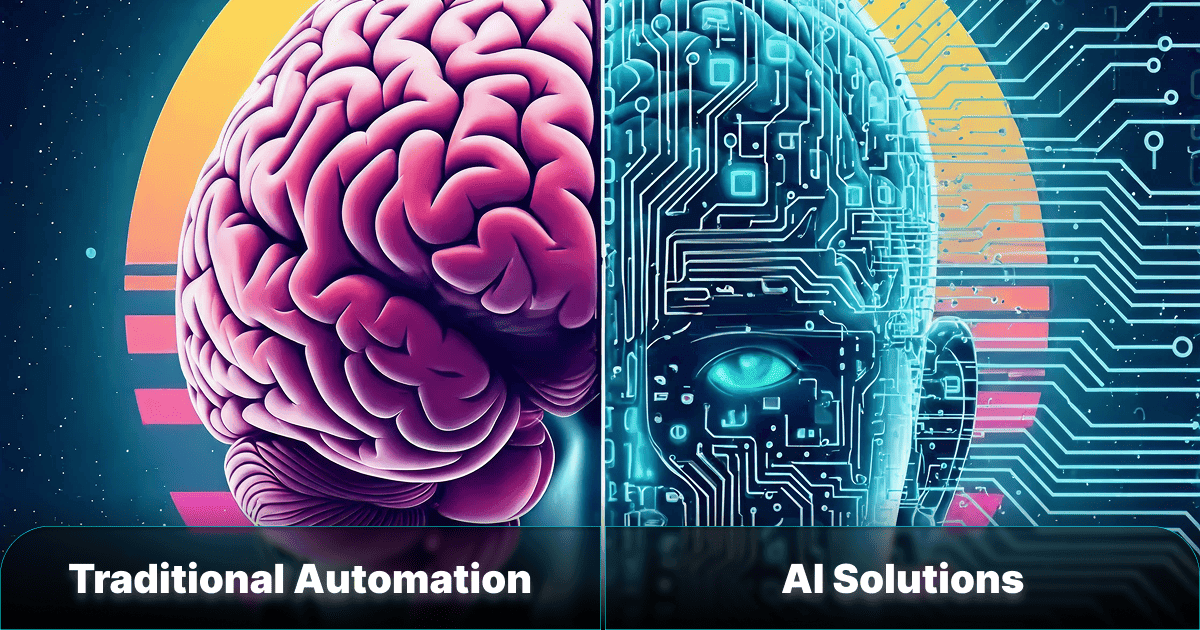
Enterprise AI Solutions vs Traditional Automation: What’s the Difference?
Modern industries have built scalability and efficiency with the strategic implementation of automation processes. The concept of automation mainly lies in the use of AI technology to automate repetitive tasks with little or no human intervention. Automation has been employed across diverse sectors to enhance operational efficiency in daily tasks. Think, robots can build a 10 storeys building in one month - it’s just an example to highlight the potential of AI technology to bring revolution in today’s world. In service sector, AI-powered chatbots and virtual assistants handle software billing and provide 24/7 customer assistance, ultimately enhancing proficiency and customer satisfaction In recent years, automation processes have changed dramatically. Many companies think that they are doing “Automation”, but in reality they have just digitalized the manual work. Traditional automation processes, such as automatic invoice generation or automatic customer enquiry routing, have been turned obsolete with the jaw-dropping potential of AI solutions. In this article, let’s walk through the key differences of Traditional Automation and AI Automation, how businesses evolve with them, and assist you identify which approach will go well with your organization. Understanding Traditional Automation: The Challenges and Strengths Over the years, traditional automation approaches have evolved a lot, handling diverse business operations today. Enterprises rely on these techniques to improve efficiency and consistency in their workflow. Businesses use two forms of traditional automation: Rule-based systems and Mechanical systems. Rule based systems often follow predefined rules and instructions to operate. Such systems are widely used in software applications, where they respond to specific inputs. Invoice systems, for instance, generate similar invoices every time based on pre-set formatting and structure. These systems are often employed due to their reliability and predictability. They work well for automated repetitive tasks, however cannot make decisions on their own outside the pre-set parameters. Moreover, such systems lack adaptability in unforeseen conditions - a huge disadvantage in today’s evolving business world. Mechanical Systems involves the use of physical machines to mimic the work of human labour. In the manufacturing sector, robotic systems and conveyor belts increase productivity by performing arduous tasks without tiring, thereby decreasing labour cost and enhancing ROI. Such systems' strengths lie in their potential to handle high volume tasks with precision and accuracy. However, rigidity is their biggest drawback. Mechanical systems require costly, time-consuming engineering work to implement alterations and processes change - unattractive features to rely on for the long term. Unlike traditional automations, Enterprise AI solutions offer adaptability, flexibility, and enhanced business operations for existing parameters. Key Characteristics of Traditional AutomationStreamlined Workflows: Follows guided and predefined steps for operation.Structured Data: Requires proper formatting and dataFixed Decision-making: function based on simple yes/no framework.Lacks Adaptability: Process alterations require manual data handling. Repetitive tasks often result in productivity loss. In the US, a survey showed that knowledge workers spend hours on various repetitive tasks, such as document management, copying information, and data entry. Such boring tasks drain productivity of almost 44% of employees in different organizations. Enterprise AI applications handle such kinds of data seamlessly, reducing human error and enhancing output and efficiency. Exploring Enterprise AI Automation: A System beyond the Fixed RulesAI tools have revolutionised the traditional automation processes that used to be impressive. Instead of operating on pre-set instructions, enterprise AI tools learn, adapt, and make data-driven decisions in unforeseen circumstances. AI solutions refers to intelligent software systems designed to mimic human intelligence in analyzing data, making decisions, and identifying unstructured patterns. Key Characteristics of Enterprise AI Automation Flexible Workflows: AI automation does not follow predefined rule systems and adapt depending on the context and inputs. Unstructured Data: AI systems work well with disorganised data, such as incomplete information, inaccuracies, and images via natural language processes.Adaptability: AI-enabled systems alter outputs naturally based on user experience and improve with time from feedback and examples. Operational Improvement: AI tools learn and improve their responses with time without manual re-programming.Liance legal, a law firm, was facing a challenge of manual contract clauses review across large amounts of documents in MS word. After integrating an AI assistant with MS Word to review contract clauses, they witnessed 60% fast contract drafting and 80% improvement in efficiency and quality of workforce. In the future, Enterprise AI solutions can bring more to the table than they seem to be. Traditional Automation Vs Enterprise AI Automation: Understanding Key DifferencesThere is a clear difference between these two approaches and right choice can escalate the growth of your business exponentially. Feature Traditional Automation Enterprise AI Automation Data Handling Clean, and structured data only Can perform well with both structured and unstructured data. Decision-Making Rule-based, straightforward systems Predictive, context-dependent and autonomous Learning Ability Rigid requires manual programming for process changes Learns from user inputs and provide mature and relevant responses over time Implementation Scope Narrow and task-specific End-to-end process abilities Scalability Static based on guided system Improves over time and works efficiently across diverse systems. Exception Handling Breaks when exceptions occur. Handles exceptions and unexpected cases. Maintenance Require manual updating Self-tuning and re-training Application Spreadsheets, payroll systems, and accounting Chatbots, predictive analytics, and fraud detection Transitioning from Traditional Automation to Enterprise AI Automation: Implementation Steps If you’re still using traditional automation for your business and confused how to shift your approach to escalate the growth of your business, just follow the steps below: Assess your business profile: This includes the operations of your business that may involve heavy decision-making processes. AI automation works well for processes that involve judgment and analysis.Determine priority areas: Identify what kind of challenges you encounter frequently, such as exceptions, unstructured data, complex decision trees, or inefficient outputs. Enterprise AI solutions can resolve all of them flawlessly.Shift Workflow Gradually: Begin with AI-enabled systems and incorporate them with existing workflow. After careful assessment, shift workflow to full autonomous AI agents. Develop Data Foundation: Create systems to process outcomes and decisions. Incorporate feedback loop to assist in data training. Ensure improvement with clear quality metrics.eDevelop Hybrid Processes: Create systems that involve AI-Human processes to distinguish between AI and human work and provide feedback systems for continuous improvement. Enterprise AI Automation Implementation: Challenges to Overcome AI systems require high-quality data. Provide quality data for systems operation.Understand your business processes before implementation.Create AI Squads within the organization to fill skill gaps for AI automation.Complex integration may present obstacles to overcome, but AI strategy must align within the existing infrastructure.Management change may affect the organization’s workforce but you can overcome this challenge with proper workforce training. Final ThoughtsThe transition from the systems that work on commands to systems that evolve and understand is debatable, however when innovation is concerned AI automation is inevitable. AI technology is not about automating the processes, they bring adaptability, foresight, and insight into your business operations. Whether you are looking to optimize supply chain, enhance customer interactions, or upgrade your CRM dashboard, AI automation will position your business ahead in the pool of competitors. Just like AI - the future belongs to those organizations that evolve with changing trends.

February 4, 2026
How Business Intelligence Turns Enterprise Data into Smarter Decisions
If you haven’t incorporated AI in business strategies, you are already lagging in advanced marketing trends. Artificial Intelligence has made a seismic shift in corporate decision-making processes. The traditional reliance on intuition, experience, and historical data is making way for AI-powered insights that enhance efficiency, agility, and precision. Businesses that employ AI models are gaining a competitive edge by turning their dashboards into smart decisions with greater accuracy. From inventory management with predictive analytics to making personalized recommendations, AI-powered business intelligence transformations are undeniable. Business Intelligence AI helps enterprises in making data-driven decisions. But, if you are not paying attention to your business dashboards, you’re measuring data and not turning it into smart decisions. Let’s walk through this article to understand how Business intelligence AI transforms data into smart decisions for businesses and how you can utilize it for your business growth. Inside the Business Intelligence (BI): Understanding the Facts and FiguresBusiness organisations often need tools to transform their raw data into smart strategies and operations. Business Intelligence (BI) provides a set of such tools, applications and infrastructure that diverse businesses leverage to drive their strategic decision-making. Conventional BI focuses on data collecting, data analysing, and integrating historical data for decision-making, while advanced BI incorporates modern predictive analytics to drive growth of businesses. Business Intelligence refers to a combination of business analytics, data warehousing, reporting tools, and data visualisation. The lifecycle of BI usually starts with data extraction from ETL (extract, transform, and load), followed by data warehousing and results in predictive analytics and reporting systems. For strategic business growth, decision makers rely on business intelligence to understand customer behaviour, navigate marketing challenges, and latest trends to stay ahead of the curve. Airline Solutions Company, for instance, needed real-time data on customer actions and behaviour. To manage large volumes of data, they developed an enterprise travel data warehouse (ETDW). It provided them with insights in user-friendly systems and overview of their business growth and operational performance. By integrating business intelligence, they enhanced their revenue generation and achieved customer satisfaction efficiently. Walmart employed BI across its retail and ecommerce channels to manage inventories, predict weather, and customer data for informed decision-making. The intelligent insights helped them cut their product stockouts by 16% and costs of the supply chain by almost 10% while enhancing customer retention. Similarly, European Wax center developed real-time BI dashboards to manage KPIs like retail sales, appointment volume, and retention by region. Resultantly, the company achieved a 90% reduction in reporting time while making efficient, confident data-driven decisions without relying on manual or static reports. Business Intelligence Tools and Technologies BI tools refers to software platforms that facilitate diverse organisations for data transformation into accessible, readable, and actionable insights. Some of the market trending BI tools includes: BI Databricks: Databricks refer to BI solutions that use natural language querying with AI-powered analysis tools and Genie in combination with dashboards to assist users explore, read, and take action on data directly through Databricks Data Intelligence Platform.Tableau: Works for high-performance data visualisation and interactive dashboards. If you are looking for data exploration and storytelling, Tableau would be a great choice.Qlik Sense: Enables its users to explore data beyond the predefined queries through its associative engine.Power BI: Support strong queries and real-time dashboards. This tool integrates deeply with Azure and Microsoft 365 services. Looker: Associated with LookML, it allows scalable data modeling to its users and integrates finely with BigQuery. Business Intelligence, when combined with Machine Learning and Artificial Intelligence can provide more benefits, such as Irregular Data Analysis: Algorithms facilitate anomalies detection in data streams without relying on manual commands. Predictive Analytics: Forecast future trends by using historical data via supervised models (e.g. decision trees, regression). Natural Language Processing (NLP): Through this users can enquire BI platforms with plain language. Recommendations: ML models provide actionable insights or suggest metrics for tracking.Potential Applications of Business Intelligence Business Intelligence can turn raw data into data-driven strategies for your business growth. Here are some areas where you can employ business intelligence to escalate the work progress: Marketing: Navigate the advance marketing trends, customize outreach, and increase return on investment (ROI) of your business.Human Resource (HR): Identify potential candidates, reduce manual criteria checking, and plan workforce requirements efficiently and timely.Product Development: Predict market trends, enhance innovation, and test features effectively.Finance: Assist in fraud detection, track of cash flow, and reduce finance exposureSupply Chain: Manage inventory, optimize routes, and decrease waste.Customer Service: Handles invoice generation fast, analyse customer behaviour, and assist in customer queries. Business Intelligence can drive efficiency, enhance accuracy, and provide you with high value work. Limitations of Business Intelligence Although business intelligence can do wonders, it's not a plug-and-play. You have to execute the systems after careful thought and planning. Here are some challenges associated with the implementation of business intelligence (BI): Data Security and Governance: AI models rely on large-scale and sensitive data. With business intelligence systems, you cannot negotiate compliance, privacy, and transparency. Moreover, you will need proper infrastructure and policies to operate such systems.Accountability and Interpretation: When systems lack visibility, teams feel hesitant to rely on it, leading to poor decision-making. To maintain user confidence, AI models must offer contextual explanations and transparency. Workforce Transformation and Adoption: Workflow changes with the implementation of business intelligence systems. Some new systems add while others evolve. In this respect, your organization will need strong communication, leadership and training.Everything comes with some shortcomings, but nothing is a mystery when your business management is determined to evolve with changing trends to stay ahead of their competitors. Final ThoughtsWith the help of Artificial Intelligence, corporate decision-making is evolving through automation processes, predictive analytics, and encouraging a data-driven culture. Although business intelligence is unfolding its numerous advantages for organization, businesses must address challenges related to workforce transformation, data quality, and compliance to have full benefits of intelligence systems. Corporations that strategically invest in business intelligence models will distinguish themselves from a vast pool of competitors. In the future, the remarkable decision-making power of AI will urge businesses to adopt these systems. Shortly, substantial will be experienced by the companies who will embrace AI not as a tool, but as a core driver of innovation and business insights.
February 3, 2026
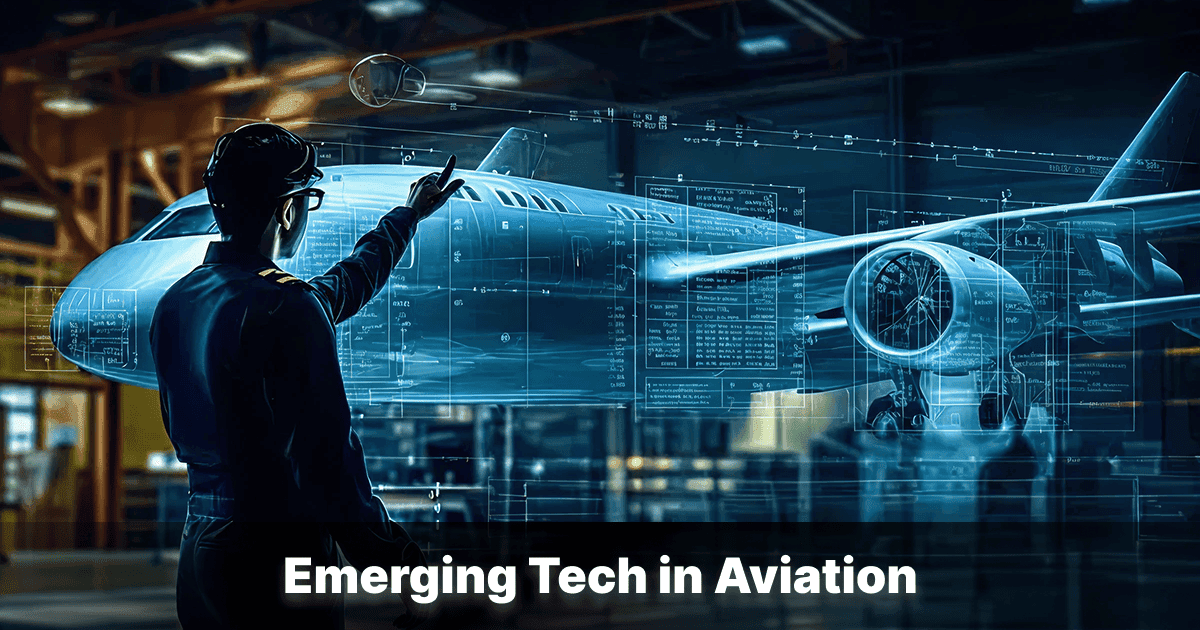
Emerging Tech in Aviation: How Predictive Analytics and IoT Are Shaping the Future
When one of our flights was delayed three hours because a “routine” hydraulic check became a parts scavenger hunt, we did the math. One grounded aircraft. One missed crew rotation. Hundreds of rebooked passengers. Thousands in ripple costs. And the kicker? The flaw was evident in the sensor data stored days before. We just weren’t looking. This is the real problem in the aviation industry today: We have huge amounts of data and yet flying blind. The most likely response from airlines’ digital teams is to bolt some shiny tools on top of their legacy systems and call it airline digital transformation. That’s the wrong move. Our position is straightforward: As an operating system, and not as a plugin—you can’t apply the predictive analytics banquet with a full IoT tray of food in one hand and claim that you’re solving the Internet of Things (IoT) challenges, because you have to contrast it correctly. Dashboards are cool, sure, but designing around data-driven flight operations is what happens when you’re not stuck with dashboards. It alters everything, from the way planes are worked on to how passengers feel. Using Data as a Report, Not a TriggerHere’s what almost everyone gets wrong. They use aviation analytics software to see what has already happened. They then pat themselves on the back. IoT sensors, meanwhile, are screaming in real time drop the above key words naturally into this text - temperature spikes, vibration anomalies, pressure drift, and no one actually is wiring those signals to decisions. One of the regional carriers we worked with had every engine fully instrumented. The Internet of things (IOT) at its best. But maintenance adherence was still based on time. When asked why, the ops leader shrugged: “That’s just how we do things around here.” A month later, an unplanned engine swap blew their on-time performance for a week. The data predicted it. The process ignored it. If you really want to employ AI for flight operations, quit thinking of insights as a PDF and start thinking of them as a command. Our Tooling: The AIR-OPS LoopWe wanted a method to persuade skeptical execs, and thus we’ve developed an easy framework that we rely on across our campaigns: AIR OPS. A — Acquire: Extract continuous flows from iot technology, not forced batch uploads. I — Interpret: Go with predictive maintenance models, not threshold alerts. R — React: Respond with operational change in real time. O — Optimize: Provide results to improve the model. P — Personalize: Customize actions to specific aircraft, routes and crews. S — Scale: Roll across the airline industry without bones breaking. This loop is what makes aviation technology solutions a competitive weapon. Predictive Maintenance Isn’t Jargon but Rather a Tool for SurvivalWe applied the predictive maintenance to a fleet of A320 for mid-size airline. Plotting vibration data against historical failures, we identified three components otherwise heading for failure within 72 hours. Maintenance changed them on their usual ground time. Zero delays. Zero AOG events. That one change alone financed the roll out of IoT in aviation within six months. This isn’t about futuristic AI. It’s about applying aviation analytics software to stop pretending parts fail on a schedule. Aircraft maintenance must be condition-based, not calendar-based. When you enable iot sensors to make decisions, It’s not just about enhancing safety, it’s also about safeguarding revenue. If your maintenance team is still ahead of the game with spreadsheets, they’re leaving money on the runway. Real-Time Flight Operations are the New Control TowerA thunderstorm cell appears over Denver. Traditionally, the dispatchers manually reroute, wasting more fuel in a frustrating cycle. Plugged into IoT itself within aviation, AI for flight operations was processing real-time data like weather and position of the aircraft, fuel burn etc., and it then fed these into a predictive model. It recommended small tweaks to speed and altitude. Result: two-minute wait instead of 20 minutes. Take that to scale and you have a structural advantage. It’s the point at which airline operations truly begin running on data. It’s not about flashy apps. It is trying to do real-time insert above key words in the text: decisions and edits that come not over shifts, but over seconds. “It feels like cheating,” one ops manager said. He wasn’t wrong. When algorithms outsmart humans at scale, you win. Passenger Experience is an Operations ChallengeEveryone talks about making passenger’s experience better with nicer apps and lounges. That’s lipstick. The true passenger experience is: Did the plane depart on time? Did their bag make it? Did they get stranded at an airport tarmac? We connected gate sensors, baggage IoT sensors and crew scheduling data. When a delayed inbound flight is at risk of missed connection, the system auto-prioritizes bag loading and delays a connecting flight by four minutes. Eighty-seven passengers made their connection. That’s airlines digital done right. This is also when aviation technology solutions cease being IT projects and begin to be brand strategy. If you’re not telling CX about ops, you’re optimizing the wrong layer. Legacy Systems are the Silent AssassinsWell, let’s at least address the elephant in the hangar. Legacy systems. They’re common to everyone in the airline industry. They’re fragile, siloed, and react to today’s IoT tech like it’s an allergen. We hugged an old 20 year maintenance system with a baby API layer. All of a sudden, iot sensors could trigger alerts that dropped straight into work orders. No forklift replacement. No two-year ERP nightmare. Just progress. This is how you execute airline digital transformation without blowing up the org. You don’t rip and replace. You orchestrate. The CIO wanted a $ 10M modernization initiative. Instead, we would have shipped a $500K integration. He paid for our coffee for a month. Data Without Accountability Is No More Than TheatricsAnd here is the uncomfortable truth: 85% of aviation analytics software deployments fail because no one owns the result. We create a predictive model to reduce fuel consumption. It worked. Then the dispatch was disregarded because “the captain didn’t want to take that suggestion.” Fuel savings goes in vain. So, we made a simple rule: if that system flags something saving 3% efficiency and it’s not acted on, someone has to log why. Suddenly, adoption jumped. Accountability beats dashboards. This is how you translate large volumes of data into action. Where IoT and AI Really Pay Off If you’re not sure where to begin, here’s our hit list: Predictive maintenance for high-failure componentsOperations in flight - in air weather and fuel optimizationTurnaround time optimization with gate and baggage sensorsPredictive delay model based crew schedulingThe Operator’s Reality CheckWe’re not ignorant about this. IoT in aviation is perplexing. Data quality sucks. Change management is brutal. Pilots don’t trust black boxes. Maintenance teams hate new workflows. “We probably had a chief mechanic say, ‘I don’t need a robot to tell me my job,’ ” he said. Six months later, he was the most outspoken proponent after it caught a failure that eluded him. This is the work. If you’re not prepared for digital aviation transformation, don’t begin.
February 3, 2026
AI vs Automation: What’s the Difference and When Should Businesses Use Each?
Automation and Artificial Intelligence are often used interchangeably, but they are different driving forces behind the technical revolution of diverse businesses. Although they share some common functions, they are fundamentally different in their application, benefits, and challenges. Artificial Intelligence works best for complicated tasks that require human intelligence and intricate decision-making. On the other side, Automation performs repetitive tasks and makes decisions based on predefined rules, reducing manual work in routine workflows. The confusion is understandable - the functionality of both technologies overlap somehow. However, making the right decision is what determines the fate of your business growth. Wrong choices can result in loss of financial resources, failed implementation with zero or no operational improvement. Let’s dig in the differences of Automation and Artificial Intelligence, when to use each and what are the associated benefits and challenges of these technologies to maximise your business growth. What is AI Vs Automation?Artificial Intelligence creates systems that can mimic the human cognitive functions, such as decision-making, learning from experience, pattern recognition, and understanding natural language. Key characteristics of AI systems includes: Natural Language Processing to interpret and generate human language.Machine Learning improves AI responses over time through data pattern identification and user experience.Disorganised Data Interpretation allows AI to work with varied data inputs, such as images, text, speech, and incomplete information without following predefined formats.Adaptability makes it suitable for data variations and exceptions. Unlike Automation, AI can adjust its approach based on the circumstances. This versatile tool can be employed in several user cases, such as: Chatbots & Virtual AssistantsReal-time Fraud Detection SystemsPredictive AnalysisPersonalised Shopping ExperienceAutonomous VehiclesTelehealth diagnosticsAutomation can perform tasks without human intervention based on pre-defined formats and structures. Automated systems reduce human error and time consumption on similar tasks. This system reduces routine workflow by handling repetitive tasks, exactly as programmed. Key characteristics of automation includes: Formatted Operation with pre-set rules and patterns. The whole system works based on these rules unless changed manually in the system.Structured Input requirements make automated systems suitable for formatted and predictable data. Invoice processing automation, for instance, will generate similar invoices as formatted in the system. Systematic Implementation allows automated systems to perform identical tasks in the similar way every time, which ensures reliability but restricts flexibility when exception occurs.Static Model restricts adaptability in automated systems. The system can only perform programmed tasks without any modification. From customer-related workflows to business operations, automated systems can be used in the following tasks to save time and effort: Email ManagementCustomer Service ManagementStaff OnboardingData EntryInvoice ProcessingAI Vs Automation: Understanding Key differences Reports suggest that 73% companies employed automation for their business and reduced 25% of cost last year. Moreover, only 42% of companies used AI in their business operations. Today, businesses employ automated systems more than AI, however AI possesses more potential than automation to boost business growth. Here’s a quick comparison between the two technologies to identify which can go well with your business needs: Category Automation Artificial Intelligence Nature of Tasks Pre-defined, programmed, routine workflows Flexible, dynamic, cognitive Learning Capacity Static model, require manual update for varied responses Employs machine learning, provide varied and improved responses overtime based on user needs Decision-making Ability Cannot make decision and need human input Can make decisions by performing real-time analysis Applications Scheduling, data entry, invoice processing NLP engines, AI agents, intelligent AI platforms Operational Outcome Reduces human error, improves operational services Enhances adaptability, improves system intelligence, and process automation AI Vs Automation: When should businesses choose each?Choosing between AI and Automation depends on your business domain, its complexity, and goals. Keep in mind the above key differences between these two technologies ask yourself a few relevant questions, such as Is your data organised or disorientedDo you need adaptable systemDoes your domain require decision-makingDo you have enough budget to design AI systemDrawing a clear distinguishing line between automation and AI would help you to decide which one is better for your business challenge and will not waste your resources and time on wrong tools. Businesses Should Choose Automation For:Streamlined Processes: If you can structure exact steps and decision points, then automation will execute them seamlessly and cost-effectively.Consistent Operation: Automation could be a good choice for businesses seeking customer service regulation, quality control, and compliance regulations.Bulk Repetitive Tasks: Automation can handle large volumes of similar tasks flawlessly and efficiently. Automation aligns well with repetitive tasks to reduce routine workflow.Cost Reduction: If your priority is to reduce cost for daily workflow, then automation is the best option to explore as it requires less budget and maintenance than AI systems. Businesses Should Choose AI For:Tasks involve decision-making: AI aligns perfectly with tasks involving complex decision-making, interpretation, and analysis.Complex structured systems: AI would be a good choice for tackling varied inputs (such as format, quality, or incomplete responses) and interpreting them into reliable and consistent information. Adaptability: Through learning capabilities, AI can change its responses over time to fit best into changing customer behaviour and market dynamics. Building data relationships: AI works well in identifying data gaps, relationships, anomalies and trends that humans might overlook. ConclusionAlthough AI and Automation serve different purposes, they can be used together. Many large enterprises combine both technologies, AI for adaptability and intelligence and Automation for speed and accuracy. Understanding the differences between these technologies and deciding which one would give better results could be an arduous task. However, knowing the critical features to distinguish can help you build smarter and more scalable systems for your business.
Events
Demonstrating Next-Gen Tech Solutions at Global Platforms
Experience next-gen technology in action at leading global events like GITEX Global. Discover how breakthroughs in AI, IoT, blockchain, and other emerging fields are transforming industries and shaping the future of business.