

The aviation industry has always been the pioneer of ingenuity throughout history, endeavoring to upgrade the standards of efficiency, safety, and comfort of passengers during flight. In recent years, this industry has experienced a significant transformation with the integration of artificial intelligence and automation. These cutting-edge technologies are helping airlines in reducing the risk of human error and making airline operations more streamlined than ever before. Moreover, AI-assisted aviation operations are helping airlines in processing large volumes of data to improve decision-making, plan routes, and increase safety standards. Al in aviation is transforming the way sustainability initiatives, fuel consumption, and maintenance were carried out. The combination of AI with other technologies provide improved crew safety and service standards for the passengers.
From AI decision support systems to virtual air traffic controls, the potential of automation is far more than it has been explored yet, particularly in the aviation industry. This article will walk you through the significance of automation in the airline industry, impact on modern aviation, challenges, and future implications of this technology.
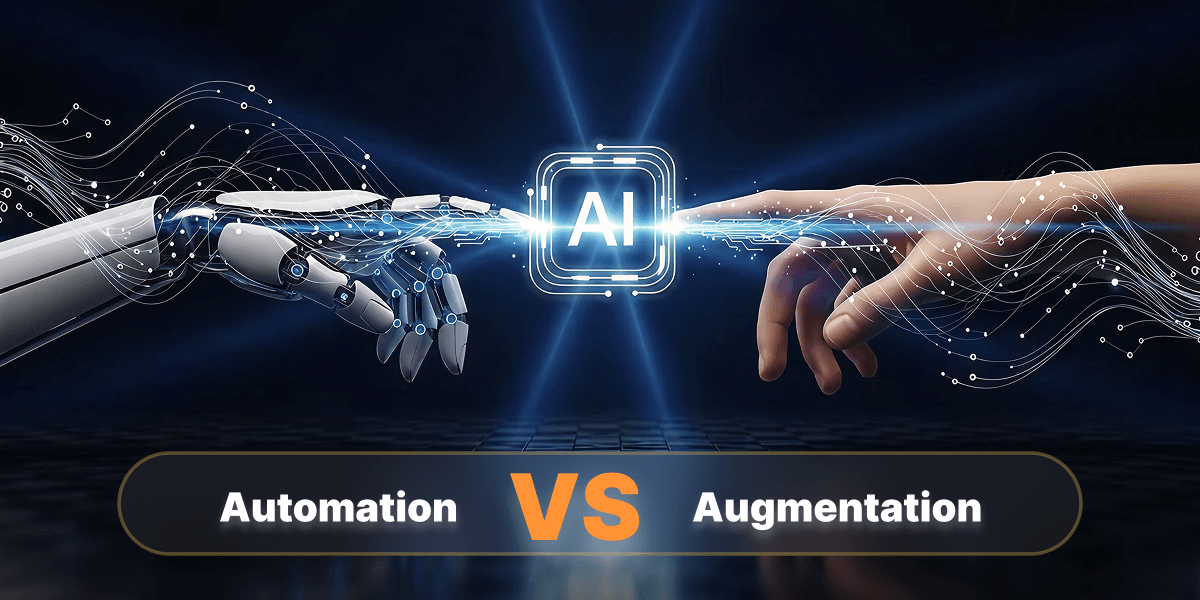
Automation Vs Augmentation: Understanding the Significance of AI in Aviation Industry
AI in aviation is inevitable to enhance operational efficiency, curtailing expenses, ensuring safety, and elevating passenger experience. To stay ahead in the competitive pool of airlines industry, integration of automation is pivotal. Various AI-assisted aviation operations include autonomous drone inspections, fuel consumption optimisations, robotic baggage handling, and predictive airport maintenance. The significance of intelligent automation in aviation is far beyond the customer experience and financial gains and has been extended towards safety measures augmentation. Automation systems can analyse weather patterns more precisely than humans, thus reducing flight risks. So, automation and AI are remarkably transforming the airline industry by reporting clear skies while simultaneously enhancing profitability and productivity.
Case Study: Heathrow Airport
Heathrow Airport London integrated facial recognition technology with biometric boarding gates to allow passengers to pass through boarding and security without showing documents. Resultantly, boarding times were reduced by 40% along with enhanced security, improved passenger flow, and regulated privacy standards for passengers. At Heathrow Airport, AI integration demonstrated streamlined airline operations while improving passenger experience and operational efficiency.
Exploring the Impacts of AI on Modern Aviation
Cognitive AI systems are addressing several aviation challenges seamlessly and offer potential solutions for improved operations efficiency through predictive analysis and route optimisation of aircrafts. Such techniques reduce operational cost and enhance financial gains flawlessly. AI in aviation is providing personalised customer experience, such as automated check-ins through AI-assisted biometrics and kiosks, tailored travel recommendations, and chatbots for answering passenger queries. AI safety enhancement through predictive analytics manages air traffic and provides responses in emergency situations.
Operational Efficiency Improvement
AI technology analyzes vast amounts of data to suggest efficient travel paths, predict weather patterns, and optimize fuel consumption to reduce operational cost and enhance profitability.
- AI Aircraft Maintenance: AI systems identify anomalies and recommend corrective actions that humans might overlook, ensuring long life span of aircrafts.
- AI Aviation Analytics: AI technology compares real-time information with historical data from sensors to predict malfunctioning and enhance aircraft safety.
- Efficient Operations: AI technology reduces overheads and increases operational efficiency by streamlining the aircraft maintenance.
Latest Research and Statistics
Oliver Wyman reported that predictive analytics can prevent unprecedented maintenance events by approximately 30%, saving the annual cost of $3 billion in the aviation industry.
Personalised Passenger Experience
AI virtual assistants and chatbots respond to custom queries efficiently, enhancing customer satisfaction and overall experience of the passengers. Moreover, AI technology provides tailored travel recommendations after analyzing customer behaviour and previous travel preferences. Moreover, automated check-ins through AI-assisted biometrics and kiosks make a passenger's journey even more smoother.
AI Safety Enhancement
Autonomous systems can assist pilots in emergency situations, control air traffic in highly congested areas, and perform automated landings and take-offs. The integration of AI in air traffic management minimizes collision risks by providing efficient scheduling and routing for aircrafts.
Latest Research and Statistics
The report of the European Union Aviation Safety Agency (EASA) demonstrated that AI decision support systems can enhance flight safety by automating complex tasks and providing support to pilots.
Automated Flight Operations
AI advancements are paving the way for automated pilot systems and fully autonomous aircrafts, optimising aircraft performance and enhancing flight safety. AI enables proactive responses by predicting potential flight disruptions. Advanced autopilot systems can adapt to changing conditions by integrating machine learning in their systems. Aircraft maintenance and performance can be optimised through enhanced data analysis.
Warehouse and Cargo Automation
Enhanced cargo operations, such as integration of drones within the warehouse environments have significantly transformed the aviation industry. The use of drones eliminates human error and provides improved safety measures and increased productivity. Such innovative and advanced technology in airlines is reducing operations cost while creating efficient systems to increase output.
Limitations and Challenges of AI in Aviation
The implementation of AI in aviation comes with some challenges that must be addressed for optimum airlines performance. The collection and storage of data can be difficult when catering a large number of aircraft fleets at different locations. Following are the challenges that should be addressed before implementation of AI in aviation:
- Data Security Concerns: Sensitive data, such as passenger information, maintenance records, and flight plans should remain private when implementing AI technology.
- Adaptability: The integration of AI technology requires considerable training, cultural shifts, and organisational change which aviation stakeholders might feel reluctant to adopt.
- Rigorous Testing: The implementation of AI in aviation requires guaranteed passenger safety, including real-world trials, simulations. And validation in compliance with regulatory standards.
- Data Quality: To achieve accurate results, AI systems demand high quality data for processing. The inaccurate or incorrect data can risk the safety of passengers and deliver suboptimal results.
Future Trends of AI in Aviation
Looking forward, we can anticipate the future of AI in aviation that will unfold in the coming decade. Airlines are striving to develop the AI algorithms capable of handling complex flight scenarios, decrease reliance on airport crew and make systems autonomous. The implementation of AI with Internet of Things (IoT) will provide more interconnected and intelligent automation in aviation. Real-time data analytics, connected aircrafts, and smart airports will increase operational efficiency while optimising passenger experience. However, with the prevalence of AI in aviation, regulatory and ethical considerations will be inevitable, including creating clear guidelines for implementing AI, data privacy, and biases in AI algorithms.
Final Thoughts
From optimising flight plans to enhancing operational efficiency, AI-assisted systems will transform the future of the aviation industry. However, the successful integration of AI systems demands addressing technological, ethical, and regulatory challenges. Aviation companies that invest in scalable, structured, and compliant AI systems integration will be positioned ahead in handling sustainability goals, complex regulations, and future demand while offering smarter and safer aviation experiences to passengers.